Maternal & Neonatal Health Innovation

Safeguarding Every Mother & Child

The WHO 2020 Digital Partograph for low-resource settings. Monitor labor in real-time, detect complications early, and save lives—even without internet.
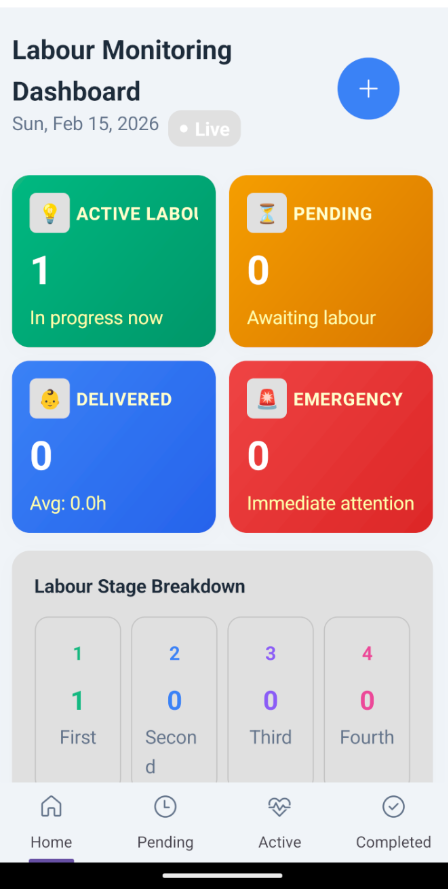

Maame Dromo Dashboard

Trusted by Healthcare Leaders

The Critical Minute

In maternal care, delay is the enemy. Manual paper partographs are often incomplete, illegible, or filled out retrospectively. Maame Dromo digitizes this specific workflow, enforcing WHO 2020 standards at the point of care.

Offline First

Works flawlessly in remote clinics. Data syncs automatically when connectivity returns.

Clinical Monitoring

WHO 2020 Partograph

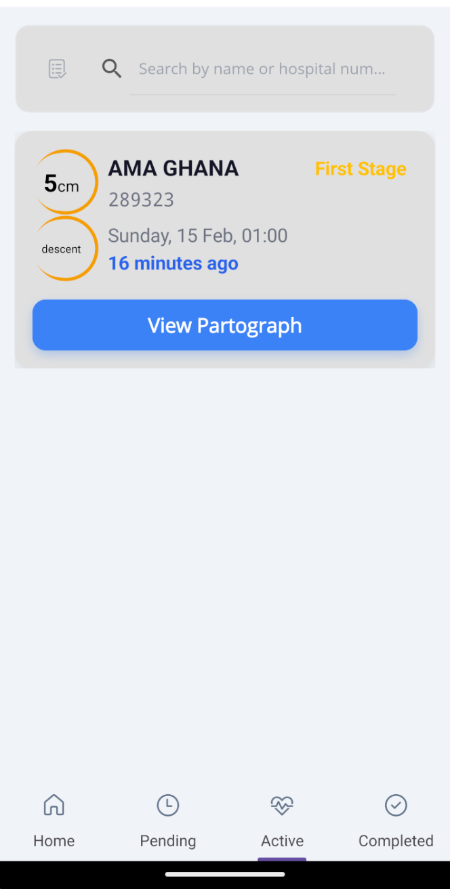
Comprehensive tracking of all 4 labor stages. Automated alerting for prolonged labor, fetal distress, and arrested descent.

Fetal Heart Rate (FHR)

Pattern analysis and deceleration detection. Supports multi-baby monitoring (up to 5) for multiple gestations.

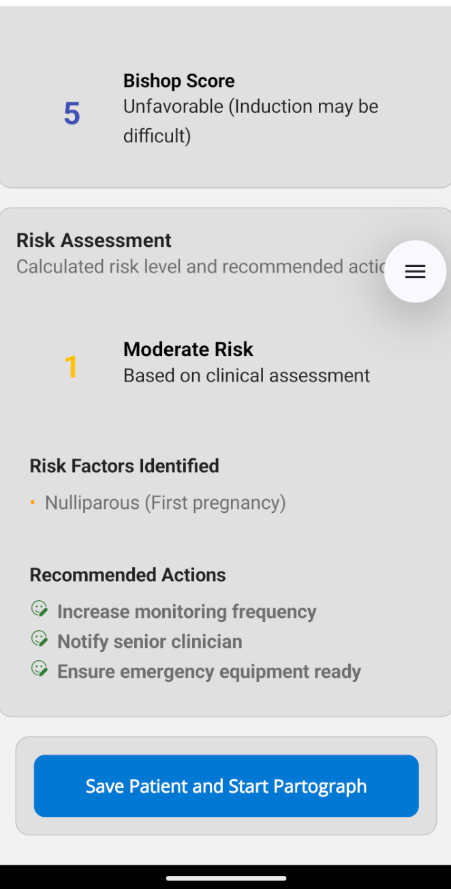
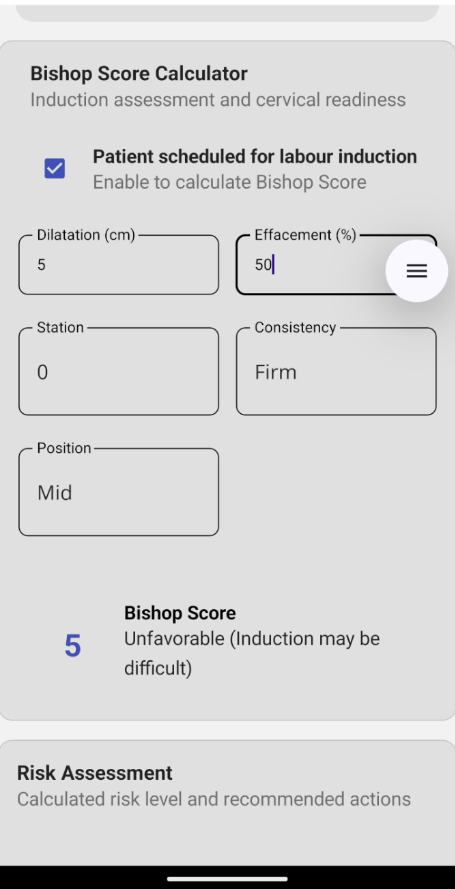
Bishop Score & Risk

Automated Bishop Score (0-13) calculator and 4-level risk assessment logic to guide referral decisions.

Regulatory Reporting

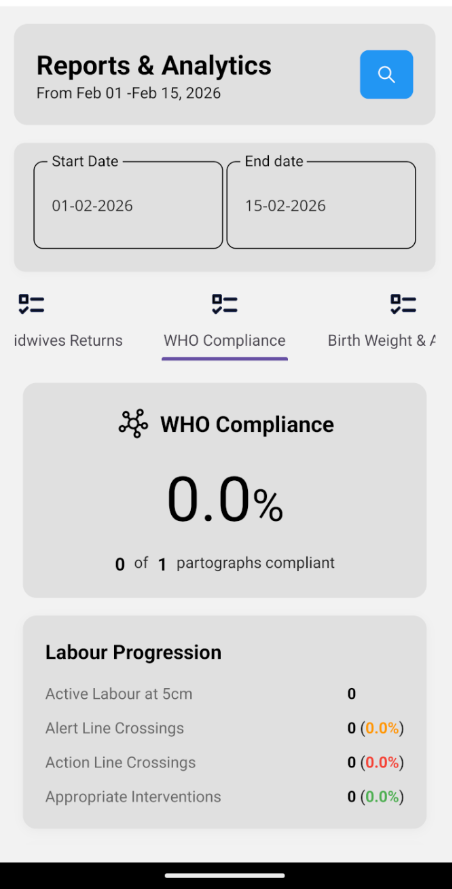
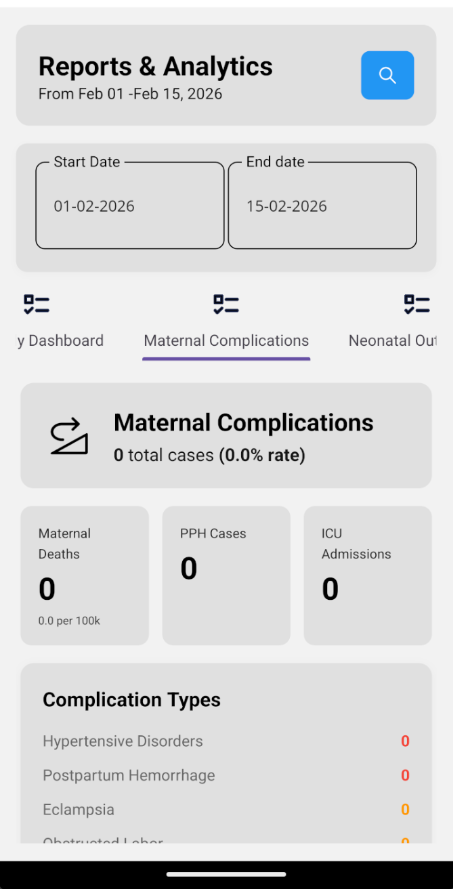
One-click PDF export of compliance-ready Partographs. Monthly delivery dashboards and neonatal outcome reports.

Powered by TensorFlow Lite

The Guardian Engine

Offline AI algorithms that predict complications before they become emergencies.

PPH Prediction

Analyzes labor duration, uterine tone, and hemodynamic trends to flag Postpartum Hemorrhage risk level hours in advance.

Sepsis Sentry

Continuously monitors maternal temperature and heart rate variability (HRV) to detect early warning signs of systemic infection.

Fetal Pattern AI

Computer vision algorithms auto-classify Fetal Heart Rate traces as Normal, Suspicious, or Pathological based on WHO guidelines.

On-Device Intelligence

All models run locally on the tablet. No internet connection required for predictive analysis.

AI Risk Assessment Screen

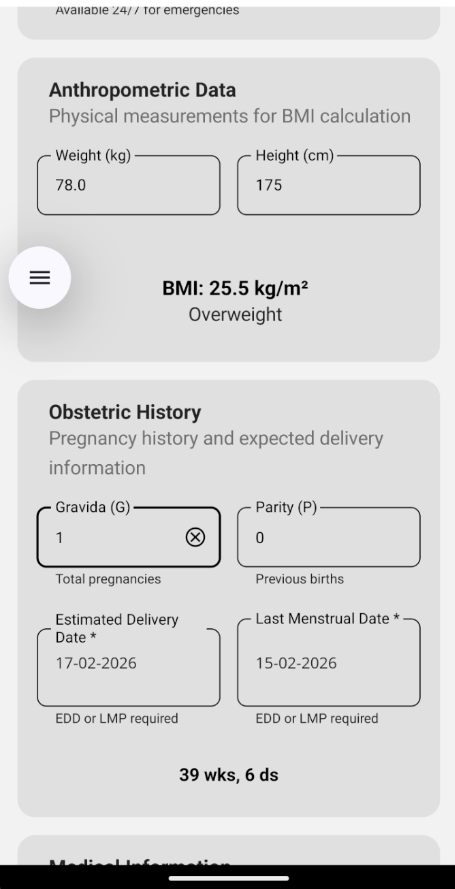
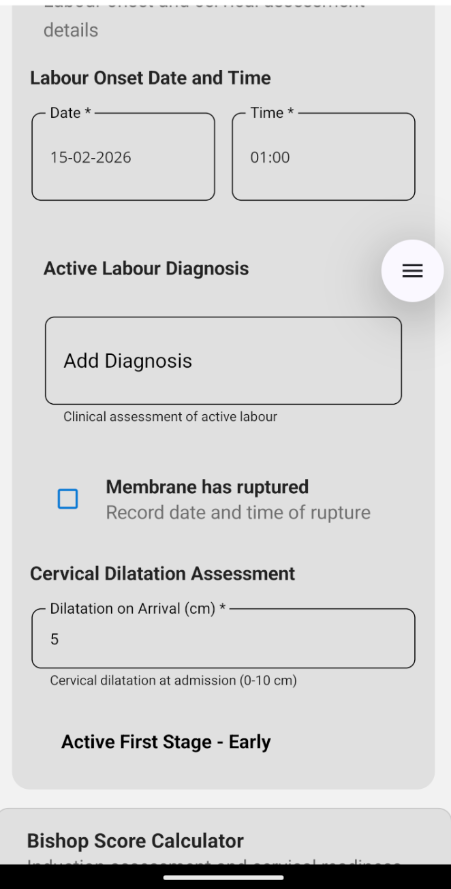
Intuitive Data Capture

Designed for speed and accuracy in the delivery room.

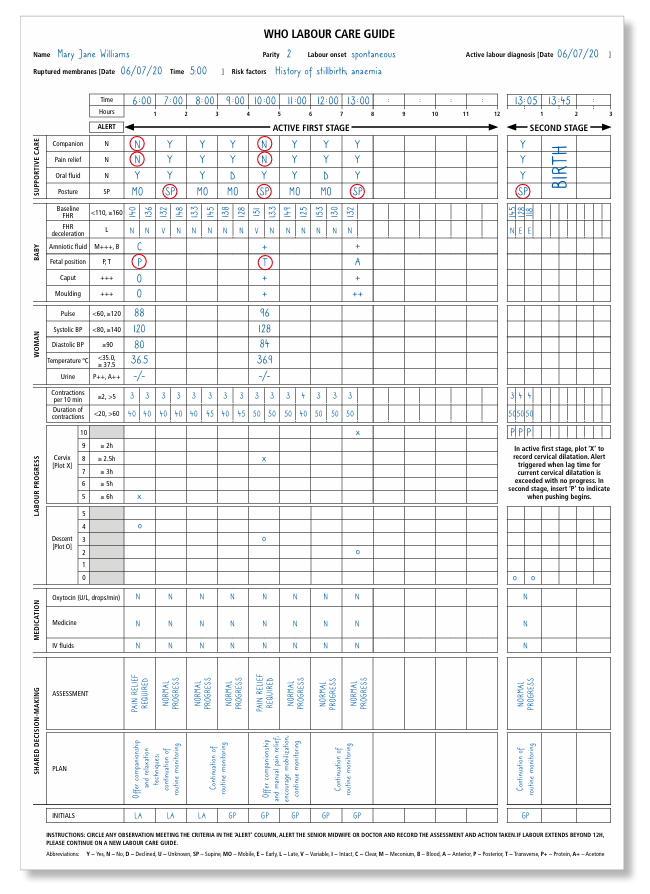
WHO Labour Care Guide Data

From Paper to Prediction

How we turned 100,000+ physical records into a life-saving algorithm.

1

Acquisition

We gathered over 100,000 physical partographs from diverse facilities, capturing varied handwriting, labor scenarios, and outcomes.

2

Expert Cleaning

Clinical experts extracted key datapoints—cervical dilation, descent, and vitals—cleansing noise and digitizing the "Labour Care Guide" parameters.

3

Training

Built and fine-tuned ML models on this massive dataset to recognize patterns in "Shared Decision Making" and "Active Second Stage" progression.

4

Impact

The result: A validated predictive engine capable of forecasting 19+ maternal and neonatal complications in real-time.

For Administrators

Hospital Intelligence

Real-time oversight of facility performance, compliance, and clinical outcomes.

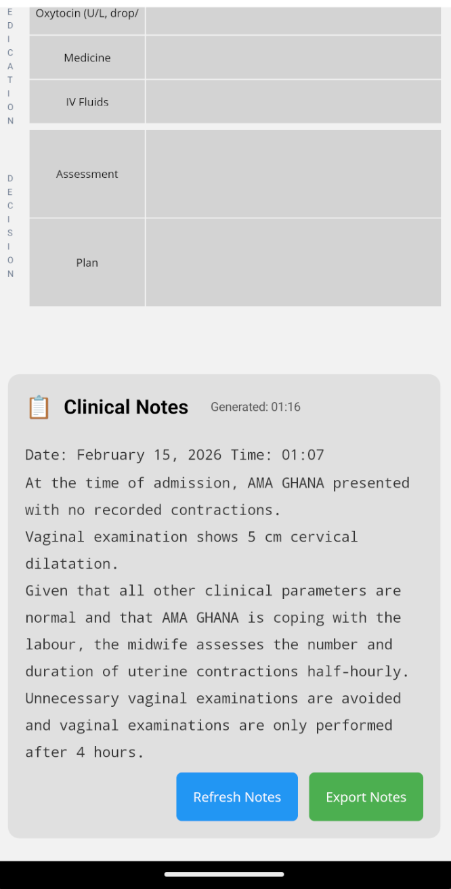
AI Generated Clinical Notes
New Feature

AI-Assisted Documentation

Midwives spend less time writing and more time caring. The Guardian Engine automatically enables:

  • Auto-Generated Notes: Clinical summaries created instantly from data inputs.
  • Shift Handovers: Seamless transfer of patient history between teams.
  • Audit Trails: Every action is timestamped for medico-legal protection.

Built for the Last Mile

Engineered for resilience in challenging infrastructure environments.

Professional Clinical Use Only Maame Dromo is a Clinical Decision Support System (CDSS) designed to assist trained healthcare professionals in monitoring labor and delivery. It is not a substitute for professional medical judgment, diagnosis, or treatment. The "Guardian Engine" predictions are risk assessments based on WHO guidelines and should always be verified by clinical examination.